The Young Leader

  • GLA Program Blogs
  • Gamechangers
  • Newsletters
  • About The Young Leader

October 28, 2016 by The Young Leader

Science Outside the Classroom

blog-h

Do you have a passion for science and want to get your nerd on at home?

Science! Believe it or not, there are nearly infinite subjects, projects, and ways you can satisfy that boundless curiosity scientists are often known for. And you don’t even need a fully-stocked lab or expensive computer equipment to experience the rush of discovery, the captivating—and often hidden—beauty of the world around us.

There’s plenty you can do at home. But first, we’ll need to shift our perspective a bit about what science is exactly.

Let’s start by digging into a deep quote from renowned Physicist and Nobel Prize winner Richard Feynman:

“Do not read so much, look about you and think of what you see there” (source).

Science is essentially an attitude, one of many perspectives we can use when experiencing what’s around us. What Feynman is stressing with his quote is that science is a live, dynamic, and social activity. This means that as an aspiring scientist you can—or better yet should—participate in and investigate your current environment.

To drive this point further home, here are some examples of how you can immediately apply the scientific attitude:

Culinary Science

Chances are that you have some kind of food stocked at home. You may not have thought of cooking or baking as a science before, but consider that you often need to combine and measure ingredients. And there’s a serious amount of chemistry involved in something as simple as boiling water or frying an egg. Whatever your interests or tastes, you can approach day-to-day cooking with family as an experiment and look deeper into its processes.

Agricultural Science

Agriculture is one of the oldest sciences that serves as a foundational pillar to modern life. The popular argument is that seed cultivation and crops helped nomadic tribes settle permanently which then led to modern civilization. Brief history aside, growing food or raising animals with others is a hands-on way to investigate biology. In fact, most of our scientific methods were developed by Statistician Ronald Fisher while studying crop data (source).

Exercise Science

If cooking and growing plants is not your cup of tea, then you might find sports-related activities more interesting. Fact is that even if you’re a bro, you still need to have some sense of what goes on in and outside the weight room. No matter what sport you participate in, you can think of every workout or team practice as an experiment. What works? What doesn’t? How do you measure this? This actually involves some physics, anatomy, and physiology.

Whatever Interests You Science

There really is no limit to what kinds of activities or topics you can apply the scientific attitude to. Not too long ago,  Computer Science was not even considered a formal academic discipline. It was more of a nerd hobby and passion that connected enthusiasts outside the classroom through the Internet. Even now, there are other new kinds of science cropping up that reflect the needs and thoughts of the world around us.

Maybe you will join the community that ends up creating a new science. Or perhaps you’ll discover your real scientific passion on a summer science program! At the very least, you’ll have a fun hobby 🙂

Do you have any favorite activities not covered here that engage science? Please share below!

Contributed by Nick Fochtman

Filed Under: Bright Futures, Latest Posts

October 28, 2016 by The Young Leader

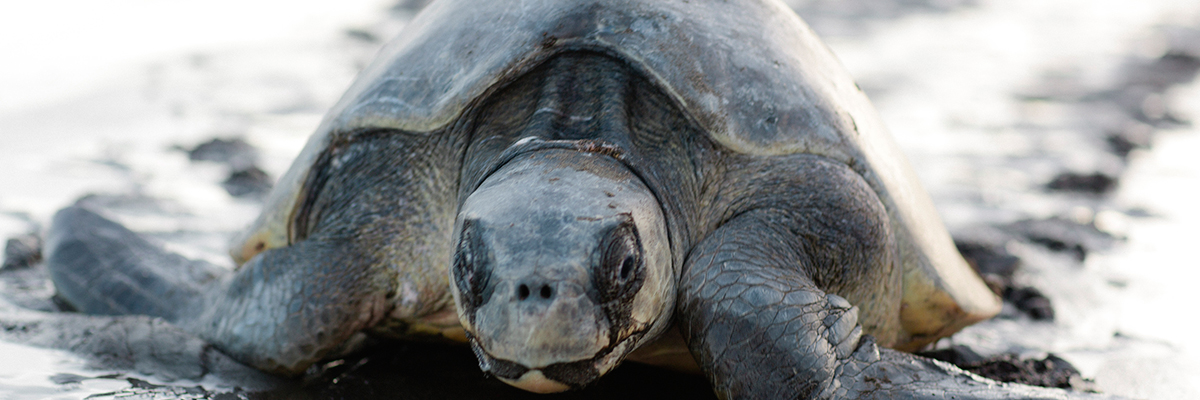
All About Sea Turtle Conservation

blog-c

We Still Have So Much to Learn

Star Trek told us that space was the final frontier, but we still have plenty to explore in the deep, blue waters of our own planet. Some truly magnificent things live in the depths of our oceans and they need our attention. One such creature is the sea turtle. There are actually seven different sea turtle species, six of which are considered vulnerable, endangered, or critically endangered across the globe. These majestic animals have been part of this world for at least 110,000 million years. That means sea turtles were here even before the dinosaurs.

So far, 2016 has been a record year for sea turtle nests on many US beaches, especially in Florida and South Carolina. As a result, many are hopeful that conservation efforts are giving these amazing creatures a fighting chance. But sea turtles aren’t out of the dark yet; there’s still much that needs to be done to ensure their futures and it begins with education. Here are some facts that will help you make a difference.

Why Is Sea Turtle Conservation Important?

Sea turtles play a very important role in ocean ecosystems, as well as along coastlines. They keep the seagrass on the ocean floors growing and healthy and provide vital nutrients to the vegetation on beach sand dunes. They also play an important role in coral reef ecosystems and preventing the overpopulation of jellyfish. The extinction of sea turtles could have devastating effects not only on saltwater habitats, but also on other ocean species.

What Are Common Threats to Sea Turtles?

Unfortunately, sea turtles face many, many threats, all of which humans are responsible for. One of the major threats is poor fishing practices. Thousands of sea turtles are accidentally caught in fishing gear every year and, while the United States has regulated special netting be used to allow larger animals to escape, these deaths will continue to occur around the world. Trash consumption and pollution are also a big problem, causing great harm to both the ocean ecosystem and poisoning many ocean creatures, including sea turtles.

The list goes on. Sea turtles also face the destruction of their nesting grounds due to coastline development, beach erosion (caused by over-development), and inconsiderate vacation practices. Poachers are also a threat. Many countries have outlawed the pouching of sea turtles, but the laws aren’t enforced strictly enough in some communities.

How Can You Help?

While the sea turtle’s situation is definitely dire, it is not hopeless. There are actually a number of things that you can do to help prevent the extinction of these amazing animals. Here are some tips that will help you save countless sea turtle lives in the future.

  • Most beaches have volunteer conservancy programs for sea turtles. Find out more about these programs at the beaches you visit and consider volunteering your time to them.
  • When vacationing at the beach, keep a lookout for injured or stranded sea turtles. Have the local conservancy’s phone number accessible or call the authorities for help. You should also report any maltreatment of sea turtles and, or their nests.
  • If you visit or live by the coast, make sure to turn off the lights or close the blinds facing the ocean. When baby sea turtles hatch, they use the moon to guide them to the water. Unfortunately, some baby turtles get confused by house lights and go the wrong way.
  • Walking along the beach at night can be fun and relaxing but, again, the lights can be disorienting for hatching turtles. Instead, use flashlights and headlamps with red light settings or place a thin red cloth over a regular flashlight.
  • Do not disturb mother turtles coming onto the beach or baby turtles making their way to the ocean. While seeing these things is obviously exciting, flash photography and loud noises can be scary or disorienting.
  • Do not leave your beach things on or around sand dunes. Also fill in any holes you dig or find in the sand. If mother turtles run into these things, they will not lay their eggs.
  • Pick up any trash along the coast. Plastic is especially dangerous to all ocean wildlife.
  • And of course, you’re always welcome to volunteer on GLA’s new Spring Break or Summer sea turtle conservation programs!

Contributed by Amanda Vosloh Bowyer

Filed Under: Be Bold!, Latest Posts

October 28, 2016 by The Young Leader

Ways to Promote Your GLA Love

blog-b

Being a GLA alum comes with a lot of great opportunities. We know that you have thoughts on just about everything GLA-related, so we’ve compiled a fun list of ways that you can share your experiences!

1. Facebook.

Yes, we know you’re already on FB about to share a memory from four or so years ago. So while you’re there, why not like GLA’s Facebook Fanpage and introduce yourself to your GLA country’s group. You’ll make some new friends, and score a few likes on your latest profile pic!

2. Instagram.

We all know you have Insta, but whether you post weekly or only use it for DM’s, well that’s another story. Why not get creative on your account and post a picture you drew, or a photo of your GLA experience. Remember to hashtag #GLAambassador #myGLA and @GLAteens for extra credit.

3. Blogging and Vlogging.

More than likely there’s some famous blogger or Youtuber you follow, like Miranda Sings or Tyler Oakley. So why not take your own spin at it and create a blog. All you need are a few posts with a couple of photos each time. If writing isn’t your thing, then try a YouTube channel. Talk about your experience, what you brought with you, your favorite memory and more!

4. Parents.

Probably the last thing you thought of was talking to your parents to spread some GLA love. But hey, it’s a great option. You can ask your parents several questions during dinner or a family outing and transcribe them. Or write an essay about your experience from their point of view. And if neither of those options sounds fun, you can come up with your own idea! Talk about the world being your oyster. You can even have your parents post on the GLA Facebook group exclusively for parents.

5. Journal.

More than likely you recorded your experience when abroad, whether that was by writing, photos, or audio. Post seven days worth of journal entries online to your GLA country’s Facebook group and show others considering a program abroad what they might experience from a personal perspective. Make sure there is writing for each day, and maybe include a cool photo too!


Contributed by Samantha Watkins

Filed Under: #myGLA, Latest Posts

October 27, 2016 by Brett Scuiletti

Funding the Future – GLA Alum Starts a Scholarship

“If a lot of people do small actions, that affects change. It’s not just one person going in and making change.”

[Read more…]

Filed Under: Gamechangers, Latest Posts

October 27, 2016 by The Young Leader

What Can Teens Do to Help Haitian Children After the Recent Hurricane

blog-f

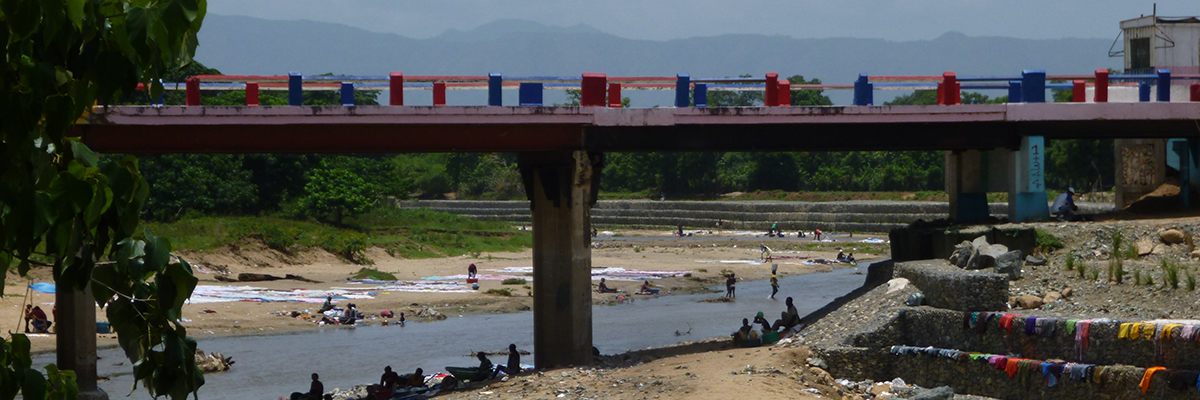
Hurricane Matthew hit Haiti earlier this year, leaving hundreds dead and even more homeless. The hurricane also made its way to several U.S. states – South Carolina, Georgia, and Florida. More than likely you’ve heard about Hurricane Matthew or seen photos of destroyed homes and streets. Well we’ve compiled a list of ways that you can help those in Haiti after the hurricane, especially Haiti’s children!


Want to help us design a future GLA Haiti program, centered around global health and medicine? Click here.


Spread Awareness – make sure all of your friends know what is happening and ways that they can also help.

  1. Share Articles. Sites like NPR and even the White House have published articles about Hurricane Matthew and ways people can get involved.
  2. Post on Social Media. Use the hashtag #hurricanematthew when you post, be sure to retweet photos of the destruction, and even @ local organizations in your posts.
  3. That’s right, The Red Cross not only lets you donate money online but now you can donate $10 by texting. Simply text MATTHEW to 90999.

Raise, Donate, & Sponsor – raise money to donate to causes. There are many organizations helping out in Haiti including Save the Children, Food for the Poor, Food Aid International, and many more.

  1. Kickstarter and GoFundMe. Create a post on a fundraising site to raise money that can be donated to an organization helping those in need.
  2. Handmade Items. Make items that others might want to buy like crocheted scarfs, postcards, or bracelets. The money that you make from people purchasing these items can be donated to aid organizations.
  3. Donate Money. Instead of using that money you had saved up to go to the movies, donate it to an organization.
  4. Sponsor a Child. Organizations like UNICEF, Save the Children, and World Vision allow you to give money to a child in Haiti. Even if the child was not directly affected by the hurricane, chances are that their resources whether that be food, shelter, or the ability to learn were.

Looking for mission trips in the Caribbean, designed for high school students? Click here to view our Dominican Republic programs.


Volunteer – while you can’t go to Haiti to directly help out those in need you can volunteer your time with local organizations.

  1. VolunteerMatch.com. This website will let you find organizations that are near where you live so you can volunteer.
  2. Local Organizations. Whether it’s a food pantry or a homeless shelter that you volunteer for, you are helping the community especially as many resources even in the U.S. have been pulled to help with Hurricane Matthew.
  3. Give Blood. With the hurricane, there are less people who are able to donate blood. If you are able you can give blood at one of the American Red Cross’ blood donation centers.

Contributed by Samantha Watkins

Filed Under: Be Bold!, Latest Posts

  • « Previous Page
  • 1
  • …
  • 14
  • 15
  • 16
  • 17
  • 18
  • …
  • 71
  • Next Page »

Brought to you by

Copyright © 2026 · Executive Pro Theme on Genesis Framework · WordPress · Log in